
Withering Realms Death and World Randomization
Ichor pools, layout rerolls, and why dying in Withering Realms is a feature, not a failure.
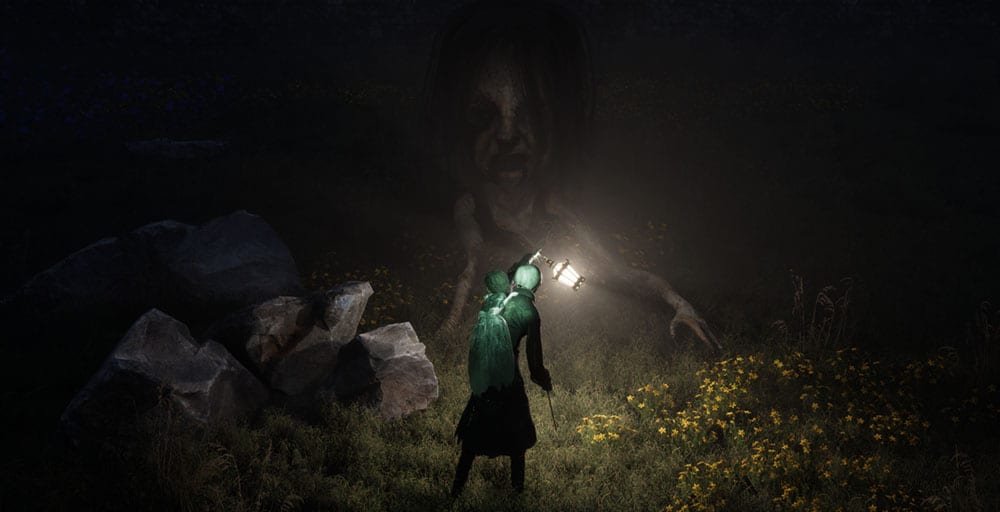
The thing nobody expected from Withering Realms: dying rerolls the world. Not your items. Not your equipment. Not your story progress. The layout. Points of interest shuffle, landmarks move, and in later areas the effect is stronger. The framing is diegetic — Clover drags the doll back to an ichor pool — and the system itself is a farming tool dressed in horror. Steam Early Access is dated 2 September 2026. This page is how you use it without fearing it.
The combat guide covers the four arms. The build planner covers what to bring into a fight. This page covers what happens after the fight goes wrong, and why wrong is sometimes right.
Ichor pools and the respawn
When the doll falls, Clover drags it to the nearest ichor pool. The animation is part of the world — an ichor pool is a save point, a respawn, and a lore beat at the same time. The mechanic is friendly in the ways that matter: no item loss, no equipment loss, no story progress loss. You respawn with everything you entered the room holding. What changes is the room.
Death penalty in this game is a reroll, not a retreat. If a dungeon dropped poorly, if the layout put a boss door before a loot room, if a landmark you needed was on the other side of a shuffled map — dying gets you a new version. This is not a punishment. It is the fastest way to hunt specific loot or a specific layout when you know what you want.
The demo introduced this mechanic poorly. Players thought the world was resetting to a previous state. Early Access adds an NPC who explains it and demonstrates the change. By launch, the framing should be clear: you did not lose. You traded.
How the world randomizes
When you die, the game rolls a new layout for the current area. Points of interest shuffle. Landmarks that were in one corner can end up in another. In later dungeons, the effect is stronger — a cleared area that felt empty on the first pass might have a new structure in a corner you already swept.
Some quests spawn different or additional landmarks after a death. A door that was locked on entry might open in the same run after a respawn if the new layout places a key item in front of it. Do not trust a mental map after a death. Re-sweep corners instead of assuming the room is the same room you left.
The world also randomizes on entry for some areas, even without dying. A hallway you cleared might look different the second time you enter. This is not a full roguelike wipe — your inventory and progress are stable — but the geography is not. The game uses randomization as a tool to keep old areas fresh, not as a grind tax.
Using death as a farming tool
If you need a specific tool or material from a dungeon, clear the area, check the drops, and if the drop is wrong, die and re-enter. The layout rerolls, the landmark positions change, and the loot table rerolls with them. This is faster than grinding enemies for a specific material. The world randomization is a feature for farmers, not a bug for people who want stable maps.
The ichor pool respawn means you do not have to leave the dungeon to reset. Die, respawn at the pool, run back to the area, and re-enter. The new layout loads. Check the new positions. If the drop is still wrong, repeat. The loop is: die, respawn, re-enter, check.
Night runs change the loot table. Revisiting an area at night after a death might produce different material drops from the night versions of creatures. If you are farming for a specific craft and the day version is not cooperating, try the night layout.
What does not reset
Items do not reset. Equipment does not reset. Story progress does not reset. If you found a talisman in Beynon House, it is in your inventory when you respawn. If you unlocked a door in Saintswood, it stays unlocked. The randomization affects geography and loot placement, not possession.
Crafts do not reset. The weapon in your right arm is the weapon you respawn with. The talismans on your limbs are the same talismans. The three upgrade tracks — body, left arm, right arm — do not regress.
NPCs and shop states do not reset from a death respawn. If you bought an upgrade or talked to a character, that state persists across deaths within the same playthrough.
When randomization is a problem
It can make a first clear harder if you do not expect it. An area you thought you understood can throw a new landmark into a corner you already swept. The habit to develop: after every death, move slower through the first room of the area until you have read the new layout.
It can hide quest items. If a quest demands a specific landmark and that landmark rerolled to a different position, you might have to die again to get a layout where it appears in a reachable spot. This is rare but happens in later dungeons with complex geography.
It can interrupt Althea sequences. Her fixed-camera sections use the same randomization rules. A lockpick door that was in one room might be in a different room after a death. If you are mid-investigation, die with awareness of what you still need to find in the new layout.
Death, not a save-scum loop
You do not need to die to progress. The main quest is mostly linear. Bosses and perimeter guardians do not require randomization to beat; they require spacing, the right socket, and Clover’s hands working during the animation. The randomization is a tool for optional content and loot farming, not a gate on the story.
If a fight is too hard, change your build before you change your map. A different left-hand tool, a different body talisman, a different approach to the secondary melee window — those solve fights. Dying solves geography and loot problems, not combat problems. Use the right tool for each.
The bosses guide covers spacing and windows. The build planner covers kit adjustments. The combat guide covers the four-arm loop. This page is for when the kit is right and the room is wrong.
Frequently Asked Questions
Quick answers for Penwyll, the doll, and Early Access.
What happens when I die in Withering Realms?
You respawn at the nearest ichor pool with all items, equipment, and story progress intact. The world layout rerolls — points of interest shuffle, landmarks move, and in later areas the effect is stronger.
Do I lose items or equipment on death?
No. Items, equipment, crafts, talismans, and story progress are all kept. Only the geography and loot placement reroll. This is not a roguelike penalty.
Can I use death to farm specific loot?
Yes. Die, respawn at the ichor pool, re-enter the area, and the layout and loot reroll. This is faster than grinding enemies for specific materials. Night runs may drop different materials from day runs.
Does the world randomize even without dying?
Some areas randomize on re-entry, even without dying. A cleared hallway can look different the second time you walk it. Your inventory is stable; the geography is not.
Does randomization affect Althea's sections?
Yes. Her fixed-camera investigation rooms use the same rules. A locked door might be in a different room after a layout reroll. Move carefully through her sections after a respawn.
Should I die on purpose to reroll a bad layout?
Only when the kit is right and the room is wrong. If a fight is too hard, adjust your build first. If the geography is blocking a needed item, dying is the correct tool. See the combat guide and build planner.