
Withering Realms Difficulty and Game Modes
Narrative mode, three level tracks, optional layers, and the difference between a hard game and a broken build.
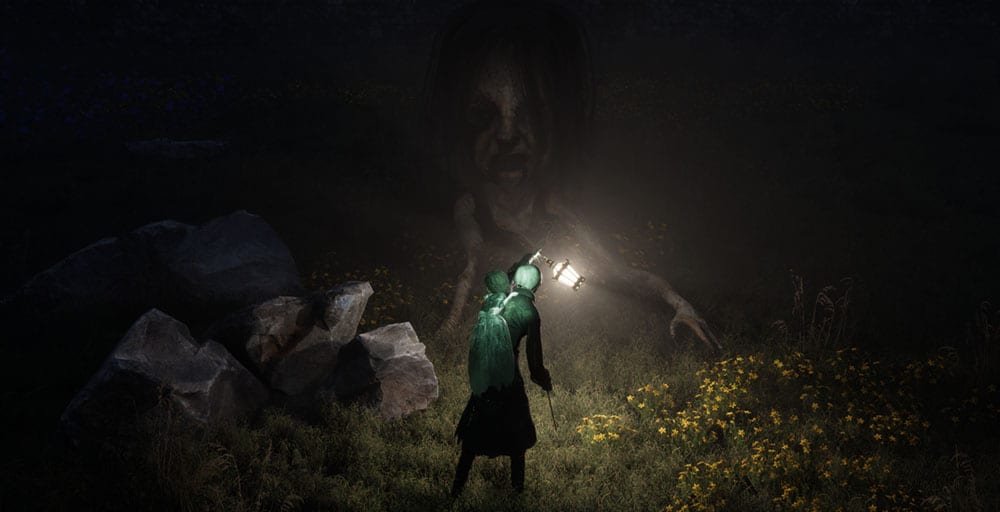
Withering Realms is designed to be hard in ways that are fair. Enemies hit hard. Stamina disappears faster than you expect. The dodge button does not give you invincibility frames by default. This page covers the difficulty options, the three separate level tracks that shape your power curve, and how to tell the difference between a game that is hard and a build that is wrong. Steam Early Access is dated 2 September 2026. The game is single-player.
For combat mechanics start with the combat guide. For build planning start with the best builds. For boss patterns start with the bosses guide.
Narrative difficulty
Gameplay Options includes a Narrative difficulty toggle. This is the official escape hatch when combat is the thing standing between you and the story. The game wants feedback, not suffering. If you switch to Narrative, the campaign is still whole; the difficulty is lower, not the content.
Use Narrative when:
- A specific encounter feels like a wall rather than a challenge
- You want the story and the exploration without the DPS check
- You are testing a build and want to read enemy patterns without the health consequence
Do not treat Narrative as a failure state. The developer has said explicitly that community feedback is how overpowered talismans and broken crafts get found. That feedback loop requires players to reach encounters and survive long enough to notice what is wrong. Narrative is how you reach the encounter.
The three level tracks
You level the body, the left arm, and the right arm separately. This is not a skill tree with branching choices; it is three independent tracks that you spend resources on at the repair shop in Penwyll.
Body levels affect how much punishment the doll can take and how honestly it occupies space in combat. A low body level means one grab ends the experiment. A high body level means the frame can take a mistake while you learn the pattern.
Right arm levels affect the tool you have slotted into the missing arm socket. A low right arm level on a Chain Rock means the chain stalls before it earns its space. A high right arm level means the tool performs as designed.
Left arm levels affect shields, pistols, and utility tools. A low left arm level means a shield is a toy and a pistol is a suggestion. A high left arm level means the utility side of the doll is a real tool, not a placeholder.
The habit to break: do not dump ten levels into the right arm because the trailer showed a flame. Spread the investment. The best builds page shows how archetypes spend these tracks differently. Heavy melee wants body first. Chain-and-crowd wants right arm first. Gun-and-flame wants right arm economy before swagger.
Optional content and end-game layers
The main story is mostly linear and can be finished without optional content. Seven large dungeons, 110 monsters, seventy talismans, and fifty weapons and tools exist in the Early Access build. Some of that content is on the main path; a significant amount is optional loops, night-only secrets, and side content.
Optional content does not block the story. If you cannot find a secret, you can still finish the campaign. If you cannot beat a perimeter guardian, you can usually find a different route or come back after more levels. The map expands when guardians fall; that expansion is the main progression gate, not individual optional secrets.
New Game+ and additional end-game modes are planned during Early Access toward the 1.0 release in 2027. They are not in the September 2026 build. Do not look for a second cycle in the first installer.
Fair difficulty versus broken builds
The game is hard. The developers have said so and have built the difficulty deliberately. That hardness is not uniform: it is concentrated in specific encounters, specific night routes, and specific perimeter guardian fights.
A broken build feels hard everywhere. A Chain Rock on a body with no levels feels weak in every room. A Pivoting Greatsword on a character who has not learned secondary melee spacing still wins fights, but slowly and expensively. Before you blame the difficulty, check:
- Is the body level high enough for the content you are in?
- Is the right arm level appropriate for the tool you slotted?
- Do you have a shield or utility on the left arm, or is it empty?
- Are you using Clover’s hands while the doll recovers, or are you letting her idle?
The best builds page addresses these questions directly. The combat guide covers the four-arm loop. The weapon ranking covers whether your tool is appropriate for the content.
If the build is correct and the fight is still a wall, that is exactly the report Moonless Formless asked for. Press /, attach the save, and describe the loadout in the same language as the wiki.
The night cycle as a difficulty layer
Night routes are harder than day routes in the same location. This is not a cosmetic change; it is a different enemy set, a different loot table, and a different demand on your loadout. A Doll that handles Saintswood by day may not handle Saintswood at night without a lighting tool and extra healing.
The night cycle guide covers this in full. The short version: if a day route feels right and a night route feels impossible, the night route is probably correct about your loadout. Bring a lighting tool. Bring extra flasks. Come back when the body and arm levels are higher.
When to ask for help
Before you file a difficulty report, confirm the build is not the problem. A talisman that retriggers on a condition you have not met is a wasted slot. A weapon you crafted without enough right arm levels is a hungry tool on a hollow body. The talismans ranking and the weapon ranking are the places to check before you decide the game is too hard.
If the build checks out and the encounter is still a wall, use the slash-key reporter with a save. That is the data the developer needs to understand whether the wall is a design intent or a tuning miss. Narrative mode is always available if you want to proceed while the report is pending.
The game is hard on purpose. It is not broken on purpose. Help the developer find the difference.
Frequently Asked Questions
Quick answers for Penwyll, the doll, and Early Access.
Is there an easy mode?
Narrative difficulty in Gameplay Options is the official easy mode. It does not reduce content; it reduces the challenge of encounters. Use it if you want the story without the DPS check.
What are the three level tracks?
Body, left arm, and right arm are leveled separately at the repair shop. Body is survival. Right arm feeds the slotted tool. Left arm feeds shields, pistols, and utility. See the best builds for how archetypes spend them.
Can I respec?
Resources spent on levels cannot be refunded in the Early Access build. Plan the three tracks carefully at the repair shop. If you made a mistake, you can craft a different tool rather than respec existing levels.
Is New Game+ available?
No. New Game+ and additional end-game modes are planned during Early Access toward the 1.0 release in 2027. They are not in the September 2026 build.
How do I know if the game is too hard or my build is wrong?
Check the three level tracks, the tool in the right arm socket, and whether you are using Clover's hands during doll recovery. The best builds and combat guide cover the checklist. If the build is correct and the fight is still a wall, file a report.
Is night harder than day?
Yes. Night routes have different enemy sets, better loot, and more secrets. A build that works by day may not work at night without a lighting tool and extra flasks. See the night cycle guide.